You don’t have to be a professional astronomer to be captivated by the stars.
You know that feeling when you stare at the night sky and your mind just… drifts? It’s like the universe hits a pause button, and you can finally hear your thoughts. For me, that’s what looking at stars does. Ever since I was a kid, I was obsessed with the stars. I wanted to be an astronomer, but as I grew older, I thought that dream had to be put on ice.
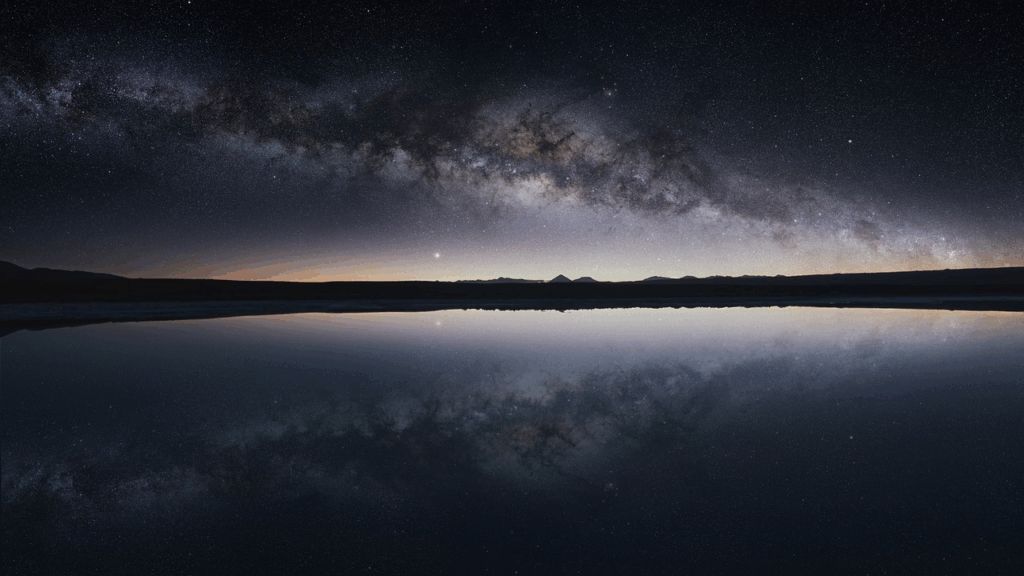
But then something happened. I found astrophotography. And my obsession was reignited. Now I travel the world with my camera, chasing the perfect shot of the Milky Way. But here’s the thing: finding a truly dark sky — where light pollution doesn’t drown out the stars — is harder than you think. Especially if you live in a city where the only stars you see are on billboards.
But here’s the good news: there are places that are basically hidden gems for astrophotography. And guess what? They have some of the clearest, most stunning views of the night sky you could imagine. From star trails to celestial photography, these are the spots you need to know about if you’re serious about stargazing.
Let’s talk about hidden dark sky parks that are perfect for astrophotography lovers like us.
What Makes a Great Astrophotography Spot?
Before we jump into the hidden gems, let’s talk about what makes a great astrophotography destination. It’s not just about seeing the stars. You need:
- Low light pollution – The less artificial light, the better the sky shows off. Light pollution is the enemy.
- Clear skies – Clouds, fog, or humidity will mess with your shots.
- Accessibility – A place that’s not too hard to get to, especially if you’re lugging around heavy gear.
- Safety – You want to feel comfortable while you’re out there in the dark.
1. Aoraki Mackenzie, New Zealand
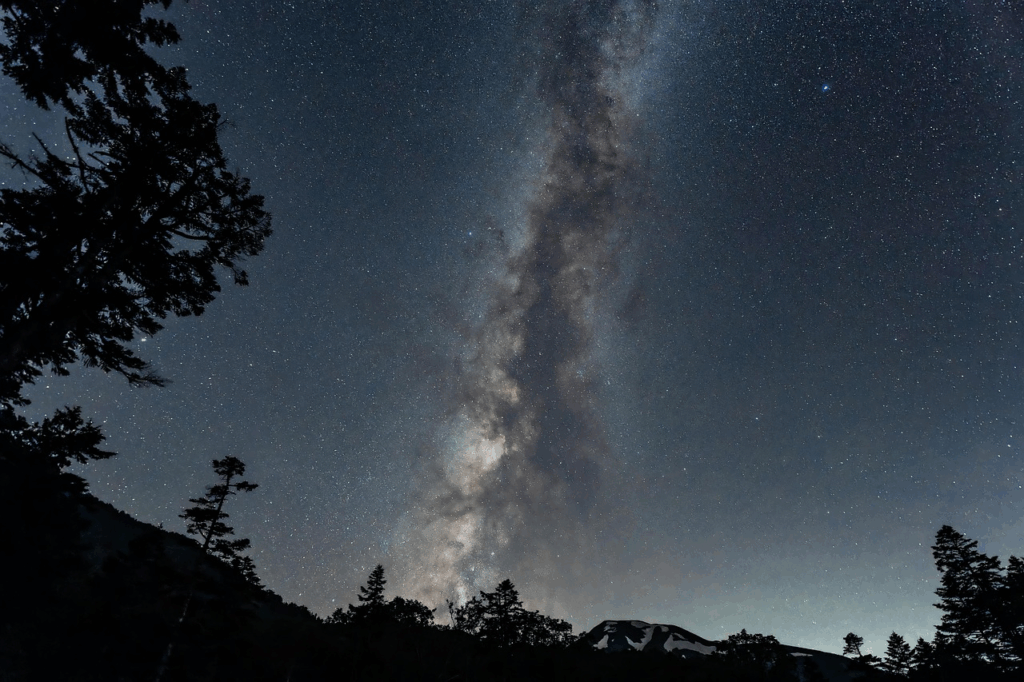
Here’s one that’ll blow your mind. Aoraki Mackenzie is not just a great place for stargazing; it’s a Dark Sky Reserve. The area is known for some of the best Milky Way photography locations in the world. You’ll find yourself surrounded by vast fields, towering mountains, and a sky that looks like someone took a brush and painted it with stars.
Why it’s great:
- Zero light pollution: In fact, it’s one of the best places in the Southern Hemisphere for stargazing.
- Milky Way photography heaven: If you’ve been dying to get that perfect Milky Way shot, this is your spot.
- Astrophotography tip: Take a wide-angle lens and a tripod. The night sky here will make you feel like you’re standing on another planet.
I remember the first time I went there, the sky was so clear that I almost couldn’t handle it. It felt surreal, like I was walking through a galaxy. You won’t regret it.
2. Jasper National Park, Canada
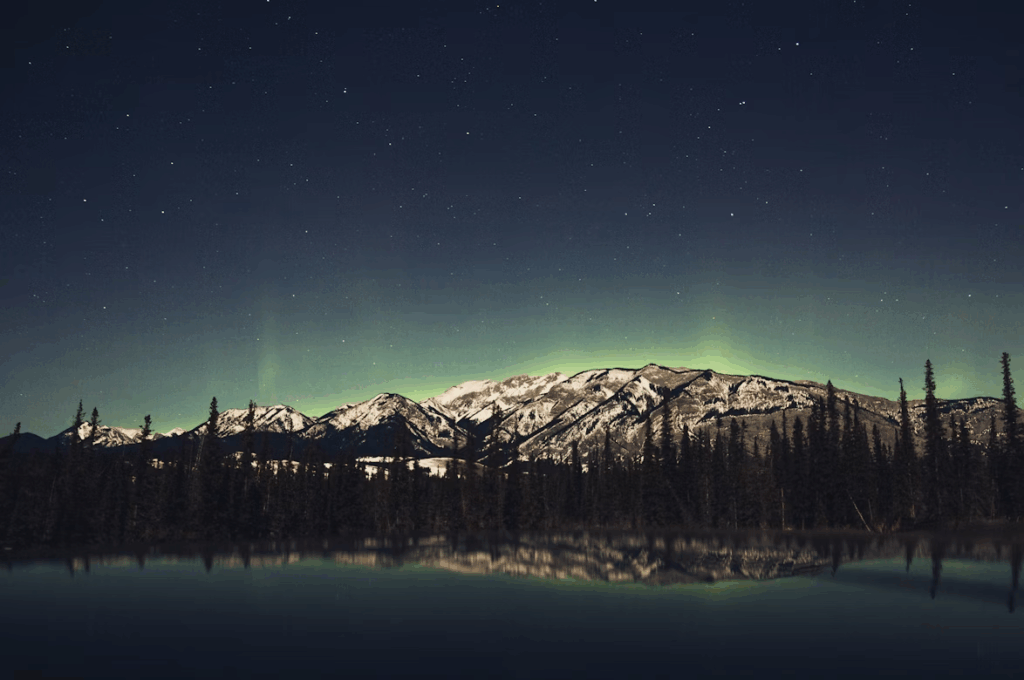
You might not have thought about Canada when you think of astrophotography, but Jasper National Park is one of the best stargazing locations in North America. As part of the Dark Sky Preserve, Jasper has some of the clearest skies you’ll ever see.
Why it’s great:
- Low light pollution: There’s almost none in this area.
- Star trails photography: The long exposure shots you’ll get here? Unbelievable.
- Accessibility: A short drive from the town, so you don’t have to go too far out to get the perfect shot.
What I loved most? The absolute silence. You’re out there, under a blanket of stars, and all you can hear is your own heartbeat.
3. Namib Desert, Namibia
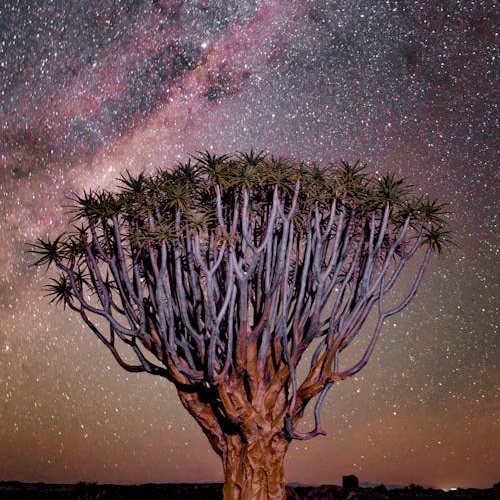
If you’ve ever thought about going to the desert for stargazing, this is where your dreams come true. The Namib Desert is known for its pristine, dark skies and is a remote stargazing site perfect for astrophotography.
Why it’s great:
- Crystal-clear skies: The air here is dry and clear, perfect for shooting the night sky.
- Unique landscapes: The desert itself provides an otherworldly backdrop to your photos.
- Starry skies like you’ve never seen: You’ll get views of the Milky Way that will make you feel tiny in the grand scheme of things.
I spent a night there, and honestly, the stars felt like they were within reach. If you want to capture the purest shot of the night sky, this is the place.
4. Exmoor National Park, UK

Okay, hear me out: the UK? For astrophotography? It might not be the first place you think of, but Exmoor National Park in southwest England is a hidden spot for stargazing that’s got some real magic. In fact, it’s one of the darkest places in the UK.
Why it’s great:
- Great for star trails: The sky here is perfect for capturing the movement of stars.
- Accessible for photographers: Exmoor is easy to get to if you’re based in the UK, and it’s not too crowded.
- Dark sky reserve: With minimal light pollution, it’s an excellent place for celestial photography.
I didn’t expect much when I went, but when I saw that sky, I was blown away. If you’re in the UK and want to try your hand at astrophotography, Exmoor is an absolute must.
5. Atacama Desert, Chile
For some of the clearest skies on Earth, you’ve got to check out the Atacama Desert in Chile. Located high in the Andes, this place offers remote stargazing like nowhere else.
Why it’s great:
- Dry air and high elevation: You can see more stars here than almost anywhere else in the world.
- Astrophotography paradise: The stars here are as vivid as they get.
- Few clouds: The dry conditions make the skies almost always clear.
If you want to experience the best skies for night photography, the Atacama Desert should be at the top of your list.
6. Death Valley National Park, USA
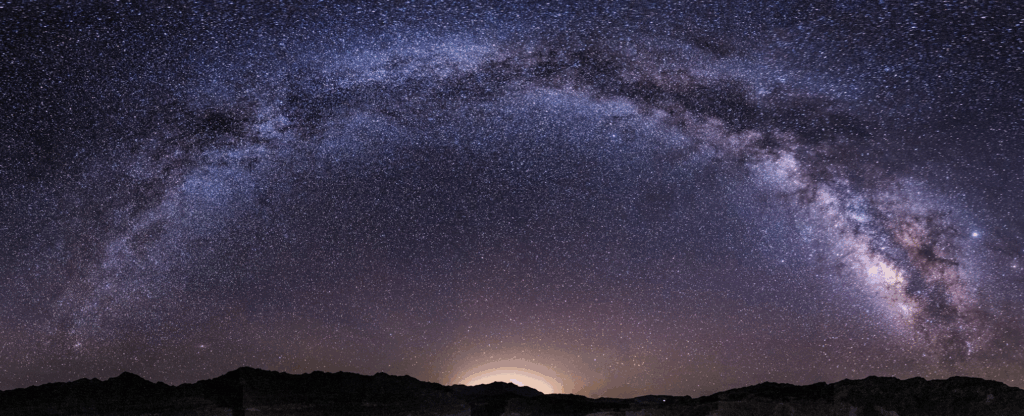
I know what you’re thinking: Death Valley? Really? Yep, but hear me out. It’s a dark sky park and one of the best places for astrophotography in the USA.
Why it’s great:
- Astrophotography heaven: There are virtually no lights to compete with the stars.
- Unique landscape: The desert dunes, salt flats, and rocky terrain give your photos a dramatic vibe.
- Stargazing with comfort: Since it’s accessible, you can camp out for the night under the stars.
Trust me, the photos you can get here are out of this world.
7. Cherry Springs State Park, Pennsylvania

Last but definitely not least: Cherry Springs State Park in Pennsylvania. This dark sky park is one of the few places in the eastern United States with minimal light pollution.
Why it’s great:
- Perfect for beginners: If you’re just getting into astrophotography, this is a good starting point.
- Crystal-clear skies: The skies are as dark as they get, which means the stars pop.
- Well-known for night photography: You’ll see professional photographers coming here to catch the stars.
I’ve spent a couple of nights at Cherry Springs, and there’s something magical about just lying on the ground and looking up at the stars. It’s peaceful. You forget about everything else.
Final Thoughts
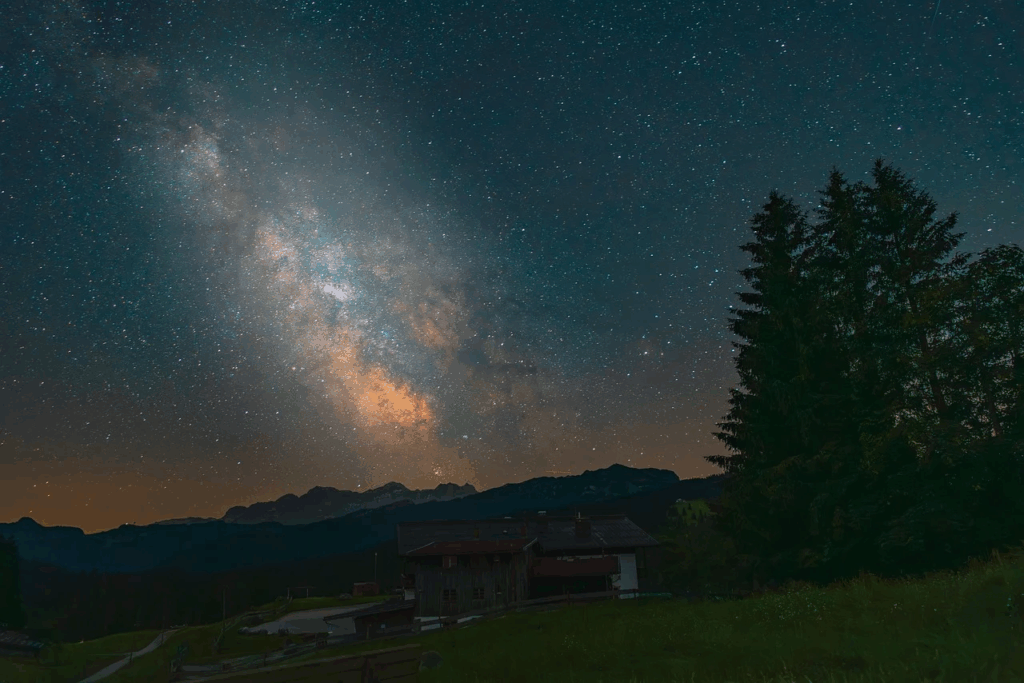
Chasing the stars is a magical experience, but finding the perfect spot for astrophotography? That’s a whole other level. Whether it’s star trails photography, capturing the Milky Way, or just stargazing in complete silence, these hidden dark sky parks are the places you need to visit if you want to experience the night sky like never before.
Have you ever experienced a night under a sky so clear that it felt like you were seeing the universe for the first time? Drop a comment and let’s chat about your favorite stargazing spots!
FAQ
1. What makes a dark sky park ideal for astrophotography?
A great dark sky park has minimal light pollution, clear skies, and remote locations, all of which allow you to capture stunning, uninterrupted shots of the night sky.
2. What equipment do I need for astrophotography?
A DSLR or mirrorless camera, a wide-angle lens (ideally f/2.8 or faster), a sturdy tripod, and a remote shutter release. Don’t forget your extra batteries!
3. Can I do astrophotography from my backyard?
If you live in an area with a lot of light pollution, it’s tough. You’d be better off visiting a dark sky park for clear, star-filled skies.