

Master Your Survival Skills: North America’s Ultimate Testing Grounds
Test your survival skills in North America’s most challenging environments where wilderness meets opportunity. From the frozen tundra of Alaska to the scorching deserts of Arizona, these premier locations offer the perfect combination of natural obstacles and expert guidance to transform novice campers into seasoned survivors. Whether you’re looking to survive extreme weather conditions, navigate treacherous terrain, or master primitive camping techniques, these ten destinations will push your survival abilities to their absolute limits.
The art of survival transcends basic camping knowledge—it demands mental fortitude, physical endurance, and the ability to adapt when nature tests your resolve. These carefully selected locations have earned their reputation through decades of challenging even the most experienced outdoor enthusiasts.
Why Test Your Survival Skills in Controlled Environments?
Before diving into our rankings, understanding the importance of testing survival skills in structured environments cannot be overstated. Professional survival training combines real-world challenges with safety protocols, allowing you to push boundaries while minimizing risks. These locations offer the perfect balance of authentic wilderness experiences and expert supervision.
Modern survival training has evolved beyond basic camping skills to encompass psychological resilience, primitive technology, and advanced wilderness medicine. Each location on our list provides unique challenges that will test different aspects of your survival repertoire.
Top 10 Places to Test Your Survival Skills in North America
10. Appalachian Mountains, Eastern USA
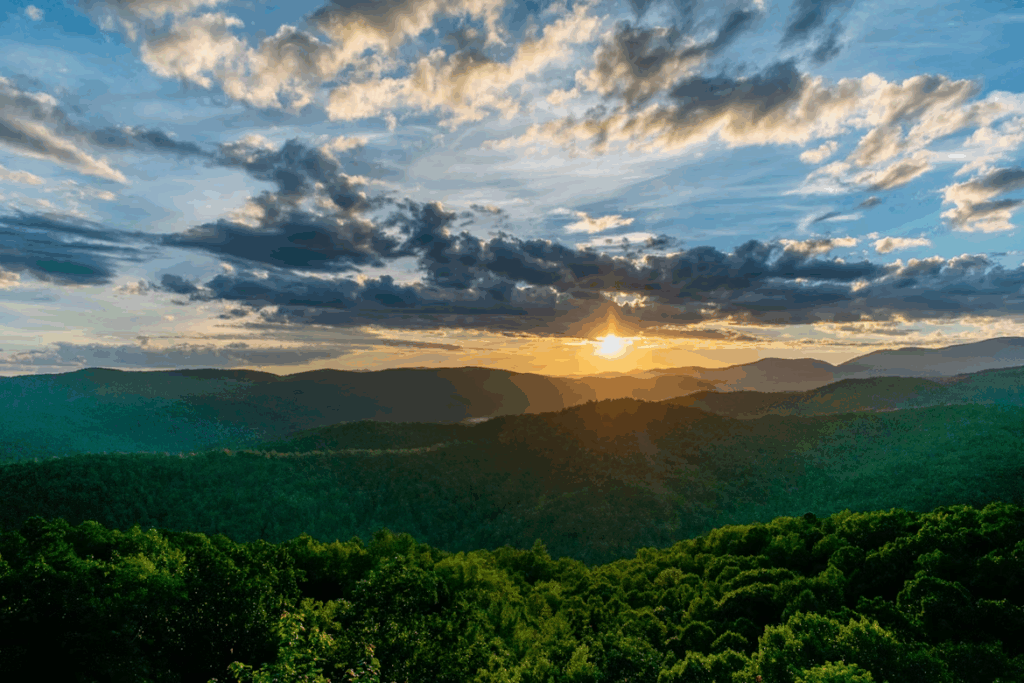
The Appalachian Mountains stretch across 2,190 miles of diverse terrain, making them an ideal testing ground for survival enthusiasts. These ancient mountains offer moderate but challenging conditions perfect for those looking to test foundational survival skills without extreme environmental pressures.
Dense hardwood forests provide abundant resources for shelter construction and foraging practice. The extensive trail network, including the famous Appalachian Trail, offers countless opportunities to test navigation skills and endurance. Spring and fall seasons present ideal conditions for survival training, with moderate temperatures and diverse weather patterns.
Water sources are plentiful throughout the region, making it excellent for practicing purification techniques. The biodiversity includes edible plants, medicinal herbs, and wildlife that can enhance your foraging and hunting skills. Winter conditions add complexity without reaching life-threatening extremes.
9. Ozark Mountains, Missouri/Arkansas
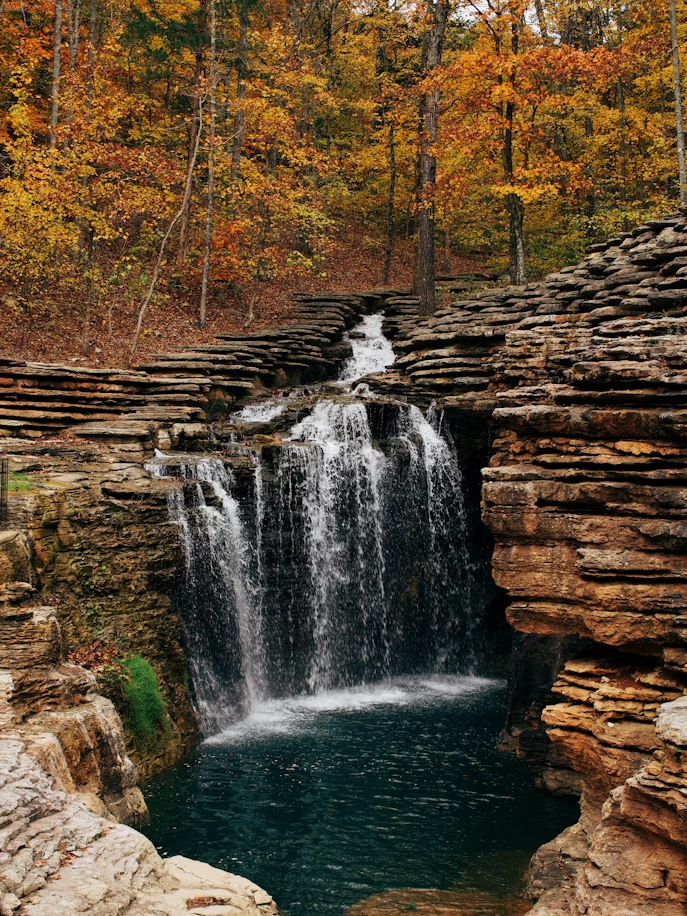
The Ozark Mountains present a unique survival testing environment with their distinctive karst topography and rich biodiversity. This region excels in teaching primitive skills due to its abundance of natural resources and temperate climate patterns.
Cave systems throughout the Ozarks offer natural shelter opportunities while presenting navigation challenges. The region’s springs and rivers provide consistent water sources, though testing purification skills remains crucial. Hardwood forests yield materials for tool-making, fire-starting, and construction projects.
Wildlife diversity includes game animals suitable for trapping and hunting practice. The moderate climate allows for year-round training opportunities, though winter conditions can test cold-weather survival skills. Local flora provides excellent foraging education, with numerous edible and medicinal plant species.
8. Adirondack Mountains, New York
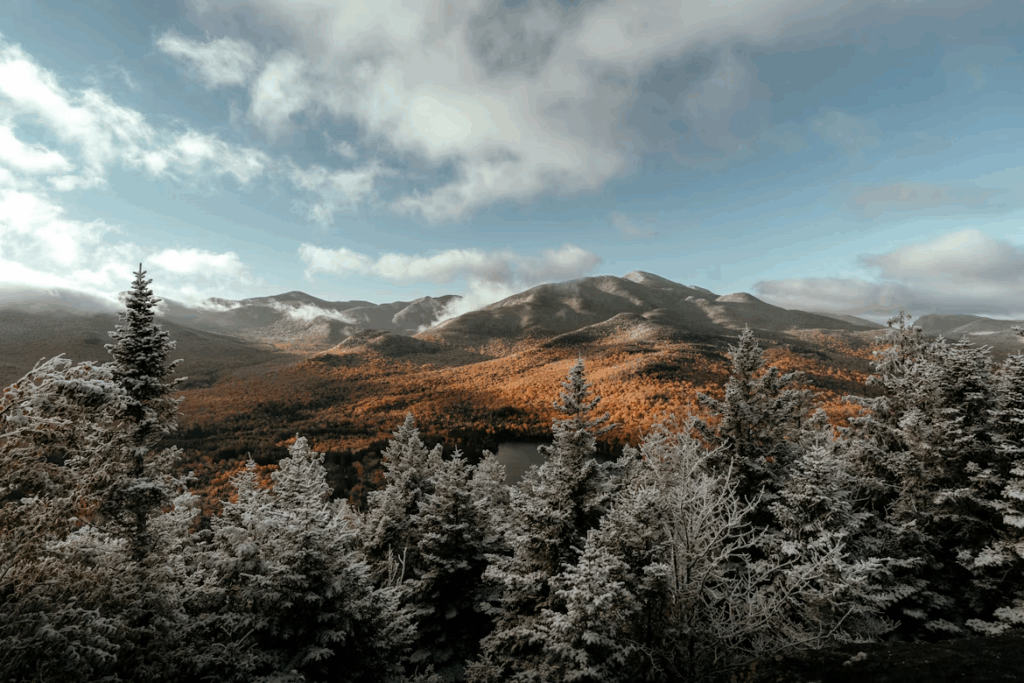
The Adirondack State Park encompasses six million acres of protected wilderness, creating an authentic backcountry environment for serious survival skill testing. This region challenges participants with true wilderness conditions while maintaining reasonable access for emergency situations.
Dense coniferous forests dominate the landscape, providing materials for shelter but requiring different construction techniques than hardwood environments. The region’s numerous lakes and streams offer water procurement challenges, particularly during winter when ice coverage tests resource acquisition skills.
Weather conditions vary dramatically throughout the year, from humid summers to brutal winters with heavy snowfall. This variability makes the Adirondacks excellent for testing seasonal survival adaptations. The remote wilderness areas simulate genuine emergency scenarios where self-reliance becomes paramount.
Black bear populations require proper food storage and safety protocols, adding realistic wildlife management challenges. Navigation skills are thoroughly tested in dense forest environments where visibility is limited and terrain features can be subtle.
7. Rocky Mountains, Colorado
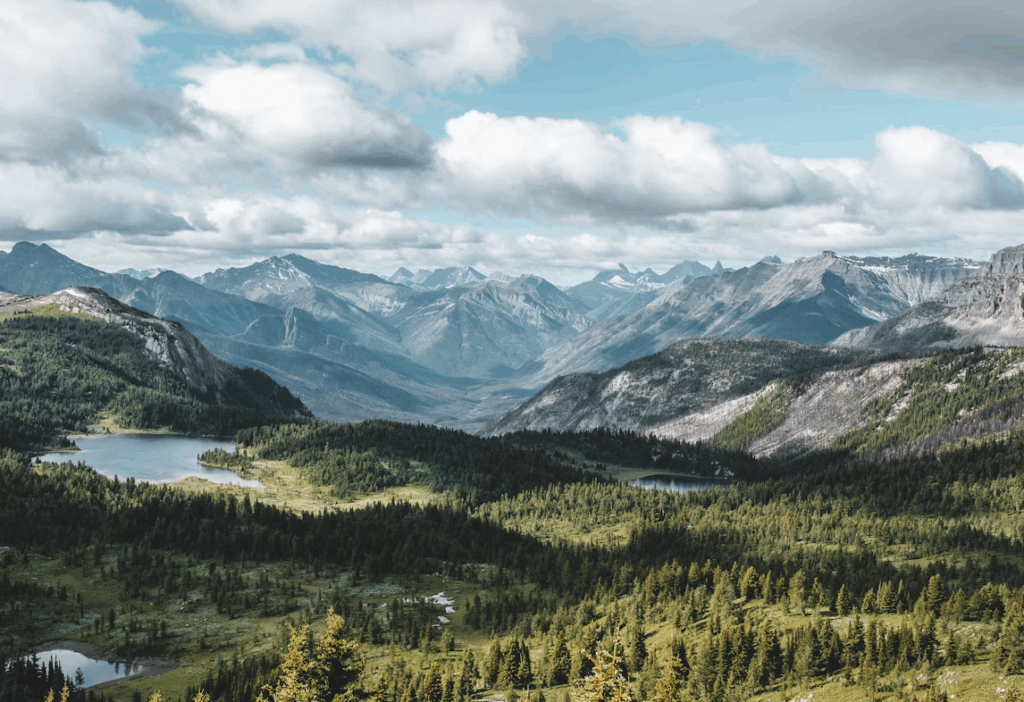
High-altitude survival presents unique challenges that the Rocky Mountains deliver in abundance. Testing survival skills at elevations exceeding 8,000 feet introduces physiological stresses that dramatically alter standard survival approaches.
Alpine environments test cold-weather survival skills through extreme temperature variations, even during summer months. Snow can occur year-round above treeline, making shelter construction and fire-making skills absolutely critical for survival scenarios.
Oxygen levels decrease significantly at high altitudes, affecting physical performance and decision-making capabilities. This creates realistic stress conditions that test mental resilience alongside physical survival skills. Water sources may be scarce or frozen, requiring advanced procurement techniques.
The Rocky Mountain ecosystem provides limited foraging opportunities, emphasizing the importance of emergency food storage and rationing skills. Wildlife encounters include mountain lions and bears, requiring advanced safety knowledge and defensive strategies.
Weather changes occur rapidly in mountain environments, testing adaptability and preparation skills. What begins as a clear morning can transform into a life-threatening storm within hours, making weather prediction and shelter skills absolutely essential.
6. Boulder Outdoor Survival School (BOSS), Utah
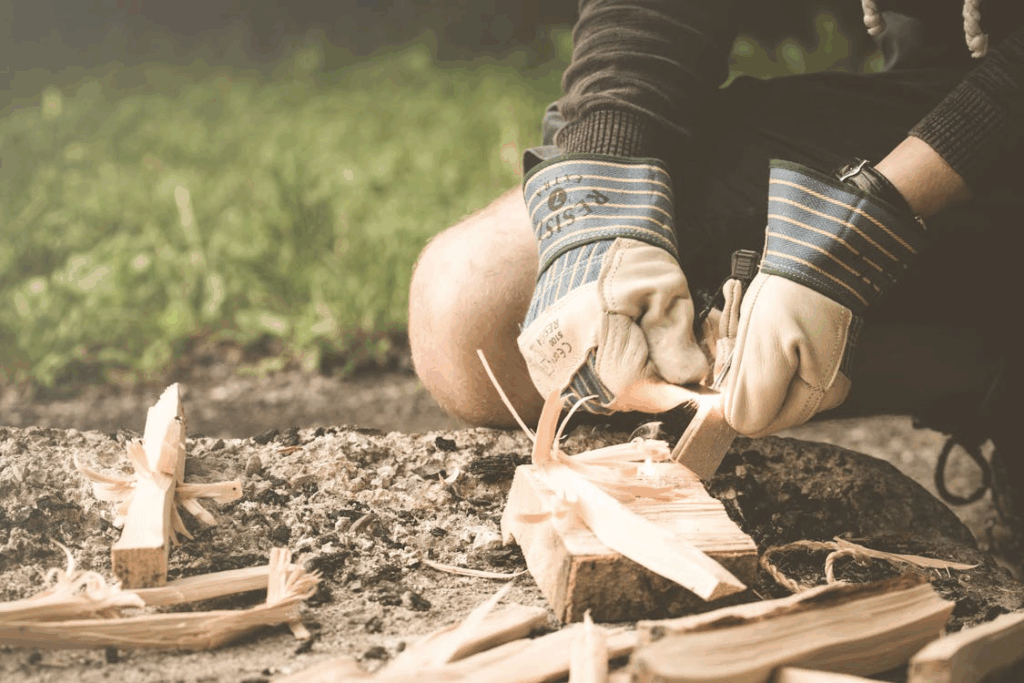
BOSS represents the gold standard in primitive survival education, located in Utah’s remote Aquarius Plateau. This institution has perfected the art of testing survival skills through immersive experiences that strip away modern conveniences entirely.
The school’s philosophy centers on teaching participants to survive with minimal equipment, often beginning courses with nothing more than a knife and appropriate clothing. This approach forces reliance on primitive skills including fire-by-friction, stone tool making, and primitive hunting techniques.
Multi-day expeditions test endurance and psychological resilience while teaching essential skills. Participants learn pottery making, hide tanning, and plant processing techniques that connect them directly to ancestral survival methods. The high desert environment provides unique challenges not found in forested regions.
Water procurement becomes critically important in desert environments, teaching participants to locate, collect, and purify water from minimal sources. Plant identification skills focus on desert species, many of which serve multiple purposes including food, medicine, and tool materials.
The remote location ensures authentic wilderness experiences without modern safety nets. Radio communication provides emergency backup, but daily survival depends entirely on skills learned and resources procured through primitive means.
5. Alaska Wilderness
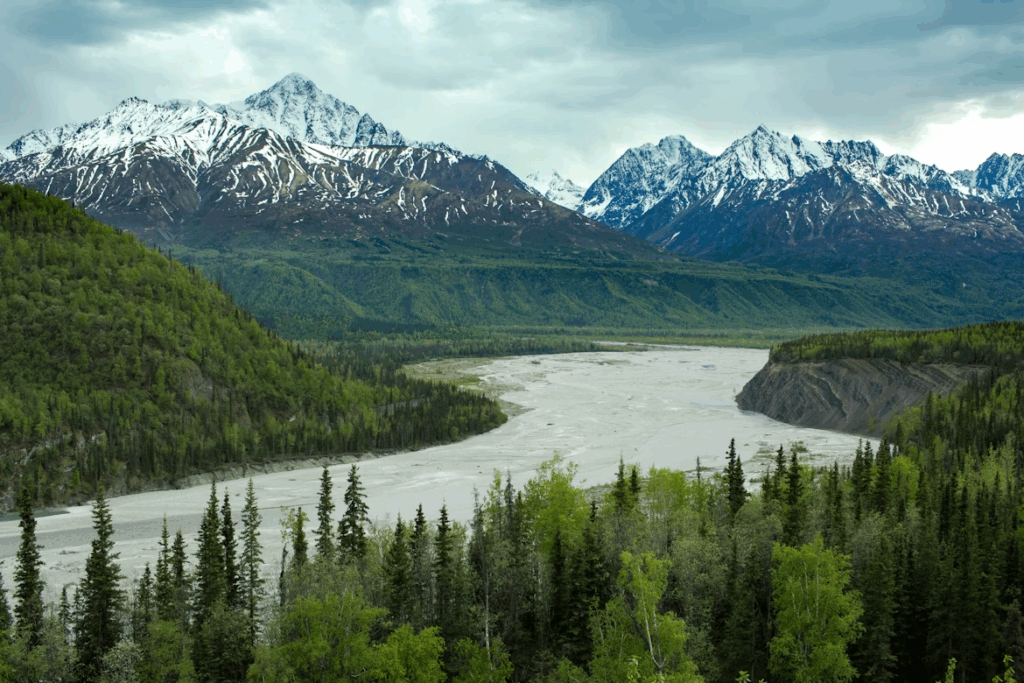
Alaska represents the ultimate test for advanced survival skills, where mistakes can have fatal consequences and preparation becomes absolutely critical. This vast wilderness challenges every aspect of survival knowledge while providing an unparalleled testing environment.
Extreme cold dominates much of the year, requiring advanced shelter construction techniques and sophisticated layering systems. Hypothermia and frostbite risks are constant concerns, making fire-starting skills and emergency warming techniques essential for survival.
Wildlife encounters include brown bears, black bears, moose, and wolves, requiring comprehensive safety knowledge and defensive strategies. Food storage becomes critically important, as improper techniques can attract dangerous wildlife to camping areas.
The remote nature of Alaska wilderness means rescue operations can take days or weeks, emphasizing the importance of self-sufficiency and extended survival capabilities. Navigation skills must account for magnetic declination variations and limited landmark availability.
Seasonal variations create dramatically different survival challenges, from 24-hour daylight in summer to extended darkness in winter. Each season requires distinct skill sets and equipment adaptations, making Alaska an comprehensive testing ground for year-round survival capabilities.
4. True North Wilderness Survival School, Pennsylvania
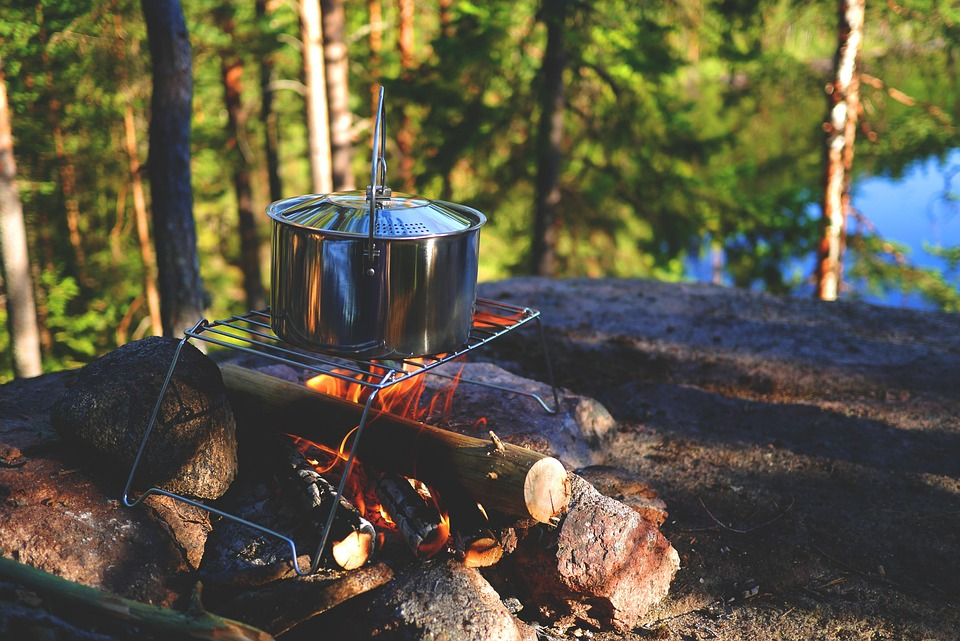
True North has established itself as a premier survival training destination through comprehensive programs that combine theoretical knowledge with practical application. Their diverse Pennsylvania training grounds offer varied environments within a single location.
The school emphasizes confidence-building through progressive skill development, starting with fundamental techniques and advancing to complex scenarios. Land navigation courses utilize both map-and-compass techniques and GPS technology, preparing students for various emergency situations.
Wilderness medicine training adds critical skills often overlooked in basic survival education. Participants learn to handle medical emergencies in remote locations where professional help may be days away. This combination of medical and survival skills creates well-rounded outdoor specialists.
Programs accommodate all skill levels, from beginners learning basic camping skills to advanced practitioners testing extreme survival scenarios. The structured approach ensures proper skill foundation while providing opportunities for experienced survivalists to test advanced techniques.
Leadership development components prepare participants to guide others during emergency situations. These skills prove invaluable during group survival scenarios where coordination and decision-making become critical for group survival success.
3. Alderleaf Wilderness College, Pacific Northwest
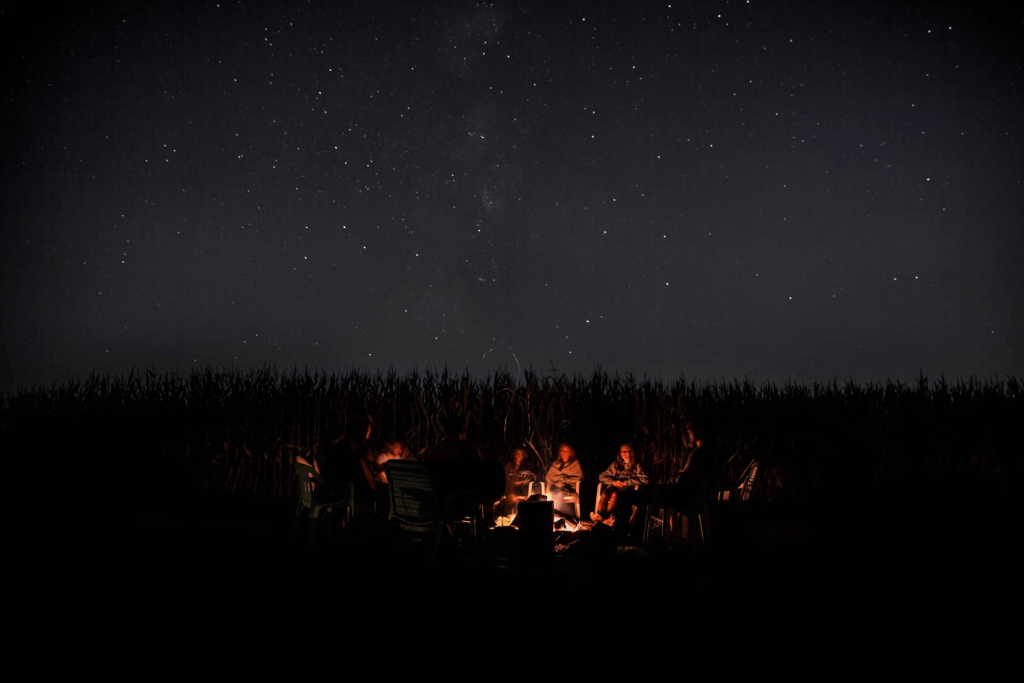
The Pacific Northwest’s dense forests and rugged coastlines create unique survival challenges that Alderleaf Wilderness College has mastered through specialized programs. This region offers year-round training opportunities with distinct seasonal challenges.
Coastal environments introduce maritime survival skills often overlooked in inland programs. Participants learn to procure food from tidal pools, navigate coastal weather patterns, and utilize marine resources for survival needs. These skills prove invaluable for anyone venturing near large water bodies.
Dense forest environments test navigation and shelter construction skills in conditions where visibility is often limited. The abundance of rainfall requires advanced waterproofing techniques and moisture management strategies that differ significantly from arid environments.
Wild edible plant programs take advantage of the region’s incredible biodiversity, teaching participants to identify and process numerous food sources. Mushroom identification courses add valuable foraging skills while emphasizing the critical importance of proper identification techniques.
Stone tool making workshops connect participants to primitive technology skills that remain relevant in modern survival situations. These programs demonstrate how ancient techniques can supplement modern equipment or provide alternatives when equipment fails.
2. Cody Lundin’s Aboriginal Living Skills School (ALSS), Arizona

Desert survival presents unique challenges that ALSS has perfected through decades of specialized instruction in Arizona’s demanding environment. Founded by renowned survival expert Cody Lundin, this school focuses on the critical skills needed to survive in arid climates.
Water procurement becomes the primary concern in desert environments, where dehydration can prove fatal within hours. Participants learn to locate underground water sources, collect dew, and extract moisture from plants using techniques developed over centuries of desert survival.
Shelter construction must account for extreme temperature variations, providing protection from both scorching daytime heat and surprisingly cold nighttime temperatures. Traditional desert shelters demonstrate efficient designs that maximize comfort while minimizing energy expenditure.
Fire-making skills adapt to desert conditions where traditional tinder sources may be scarce. Participants learn to identify and prepare alternative fire-starting materials while conserving precious energy and water resources.
The school’s primitive living approach emphasizes long-term survival scenarios rather than short-term emergency situations. This perspective teaches sustainable resource management and primitive technology skills that support extended wilderness living.
Plant identification focuses on desert species that provide food, medicine, and materials for tools and construction. Many desert plants serve multiple purposes, making proper identification skills extremely valuable for survival situations.
1. Sigma 3 Survival School, Missouri

Sigma 3 Survival School has earned its reputation as North America’s premier survival testing ground through rigorous programs that push participants to their absolute limits. Their “walk into the wilderness with nothing but a knife” philosophy creates authentic survival scenarios unmatched by other institutions.
The school’s comprehensive approach covers every aspect of wilderness survival, from basic skills to advanced techniques used by military special operations forces. Programs range from weekend introductions to month-long expeditions that test both physical and psychological endurance.
Primitive technology instruction goes beyond basic survival to teach advanced skills including blacksmithing, hide tanning, and complex trap construction. These skills demonstrate the depth of knowledge available to those who commit to serious survival education.
Tactical survival components prepare participants for hostile environments where traditional survival rules may not apply. These programs attract military personnel, law enforcement officers, and civilians seeking the most comprehensive survival training available.
The Missouri location provides diverse training environments including forests, rivers, caves, and open grasslands. This variety ensures participants experience different survival challenges within a single program, maximizing learning opportunities and skill development.
Mental conditioning receives equal emphasis with physical skills, recognizing that psychological resilience often determines survival outcomes more than technical knowledge. Stress inoculation exercises prepare participants for the mental challenges of actual survival situations.
Essential Survival Skills to Master
Testing your survival skills requires proficiency in several core areas that these locations excel at developing. Fire-making remains fundamental, as fire provides warmth, cooking capability, water purification, and psychological comfort in emergency situations.
Shelter construction adapts to local environments, from snow caves in Alaska to debris huts in temperate forests. Understanding insulation principles, wind protection, and moisture management applies across all environments while specific techniques vary by location and available materials.
Water procurement and purification skills can mean the difference between life and death. Knowing how to locate water sources, collect water efficiently, and purify water using various methods ensures hydration regardless of circumstances.
Navigation skills combine traditional techniques with modern technology, providing redundancy when equipment fails. Map and compass skills, natural navigation indicators, and GPS proficiency create comprehensive navigation capabilities.
Food procurement through foraging, hunting, and fishing supplements emergency food supplies while providing valuable calories for extended survival scenarios. Plant identification, trap construction, and food preservation techniques enhance long-term survival capabilities.
When to Test Your Survival Skills
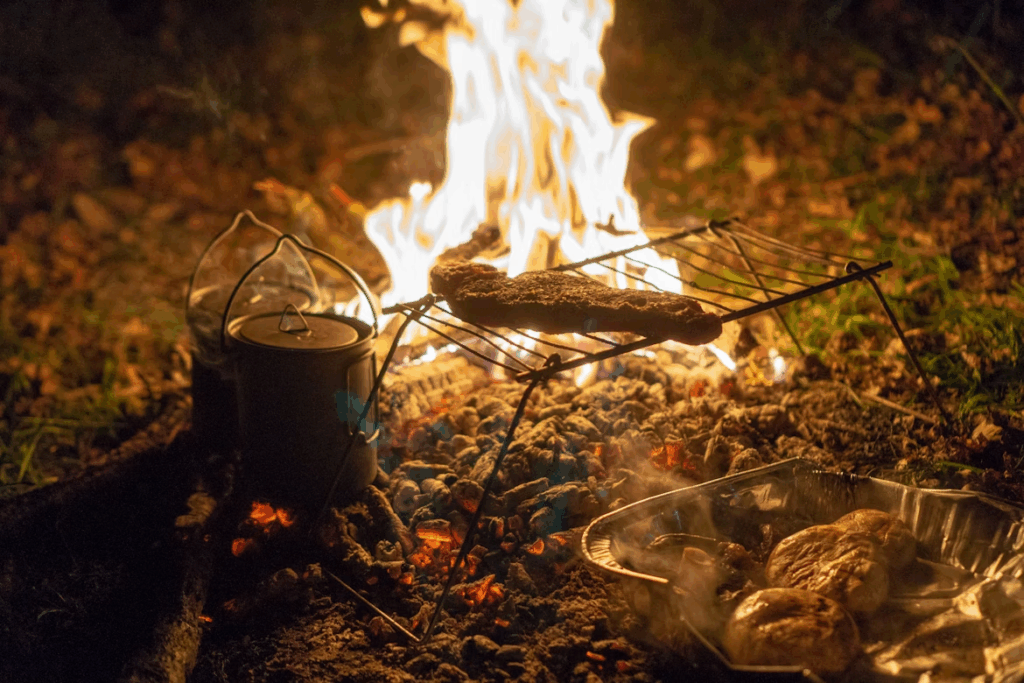
Seasonal considerations dramatically affect survival skill testing opportunities. Spring offers moderate temperatures and emerging plant growth, making it ideal for beginners. Summer provides the longest daylight hours and warmest temperatures, though heat-related challenges increase in desert environments.
Fall presents ideal conditions in most regions, with comfortable temperatures, stable weather patterns, and abundant natural resources. Many survival schools schedule their most comprehensive programs during fall months to take advantage of optimal conditions.
Winter survival requires advanced skills and should only be attempted by experienced practitioners or under expert supervision. Cold weather dramatically increases caloric requirements while reducing available resources, creating challenging scenarios that test advanced survival skills.
Choosing the Right Location for Your Skill Level
Beginners should start with temperate forest environments like the Appalachian or Ozark Mountains, where resources are abundant and conditions remain relatively forgiving. These locations provide excellent learning environments without extreme environmental stresses.
Intermediate practitioners can test their skills in more challenging environments like the Adirondacks or Rocky Mountains, where weather conditions and terrain difficulty increase substantially. These locations reveal skill gaps while providing manageable challenges.
Advanced survival enthusiasts will find Alaska and desert environments provide the ultimate testing grounds where mistakes have serious consequences. These locations should only be attempted after mastering skills in less demanding environments.
Building Your Survival Skill Foundation
Before testing survival skills in challenging environments, building a solid foundation through local practice remains essential. Start by camping without modern conveniences, practicing fire-making in various weather conditions, and learning to identify edible plants in your area.
Take courses from certified instructors who can provide proper technique instruction and safety guidance. Many survival schools offer introductory courses that build confidence before attempting more challenging programs.
Practice skills regularly in controlled environments before testing them in wilderness settings. Muscle memory and confidence develop through repetition, making skills more reliable during stressful situations.
Safety Considerations for Survival Training
Professional instruction provides safety oversight while maintaining authentic challenges. Reputable survival schools balance realism with prudent safety measures, ensuring participants can push their limits without unnecessary risks.
Emergency communication remains essential during survival training. Satellite communicators, personal locator beacons, or scheduled check-ins provide safety nets while allowing authentic skill testing.
Medical considerations become more important in remote environments. First aid training, prescription medication management, and pre-existing condition awareness require careful planning before attempting survival skill testing.
Survival Skills Training Resources
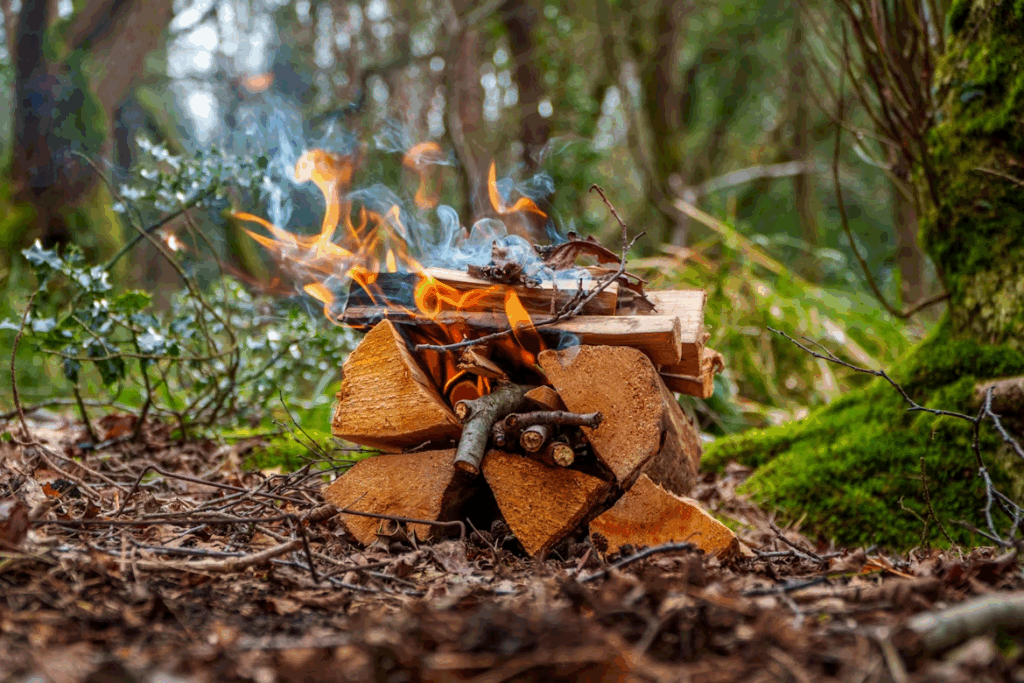
Several excellent resources can help you prepare for testing your survival skills at these premier locations. The SAS Survival Handbook by John ‘Lofty’ Wiseman provides comprehensive survival instruction covering all environments and scenarios.
For those interested in primitive skills, Tom Brown’s Field Guides offer detailed instruction on tracking, nature awareness, and primitive technology. These books complement hands-on training with theoretical background.
Online resources like Outdoor Life’s survival section provide current articles on survival techniques, gear reviews, and training opportunities. Staying current with survival knowledge enhances your preparation for testing your skills.
The Survivalist Blog offers daily updates on survival topics, including training course reviews and equipment recommendations from experienced practitioners.
Advanced Survival Skill Development
After mastering basic survival skills, advanced techniques offer new challenges and capabilities. Primitive hunting methods, advanced shelters, and tool-making skills demonstrate the depth of knowledge available to dedicated practitioners.
Long-term survival scenarios require different skills than emergency survival situations. Sustainable resource management, food preservation, and tool maintenance become critical for extended wilderness living.
Group survival dynamics add complexity to individual skills, requiring leadership, communication, and resource allocation capabilities. These skills prove valuable in both survival situations and everyday life.
The Psychology of Survival
Mental preparation often determines survival outcomes more than technical skills. Understanding stress responses, maintaining positive attitudes, and developing problem-solving capabilities under pressure separate survivors from victims.
Fear management techniques help maintain rational thinking during crisis situations. Breathing exercises, positive self-talk, and mental rehearsal prepare the mind for survival challenges.
Motivation and will to survive drive people through seemingly impossible situations. Developing mental toughness through challenging experiences builds psychological resilience essential for survival scenarios.
Connecting with Nature Through Survival Skills

Testing your survival skills creates deep connections with natural environments that modern life often obscures. Understanding how to live from the land develops appreciation for natural resources and ecological relationships.
Primitive skills connect us to ancestral knowledge developed over thousands of years. Learning these techniques provides insight into human adaptation and resilience throughout history.
Environmental awareness increases dramatically when survival depends on understanding natural patterns, weather signs, and ecological relationships. This awareness enhances both survival capabilities and general outdoor experiences.
For those seeking even greater challenges in extreme environments, consider exploring kayaking in Norwegian fjords where survival skills meet maritime adventure, or eco-trekking trails in Nepal where high-altitude survival techniques become essential for mountain survival scenarios.
Conclusion: Your Survival Skills Journey
Testing your survival skills in North America’s premier locations offers transformative experiences that build confidence, resilience, and practical capabilities. Whether you choose the controlled challenges of professional survival schools or the authentic wilderness of Alaska, each location provides unique opportunities to develop and test essential survival abilities.
Remember that survival skills development is a lifelong journey requiring continuous practice and learning. Start with locations matching your current skill level, progress gradually to more challenging environments, and always prioritize safety through proper preparation and professional instruction.
The skills you develop through survival training extend far beyond emergency situations, enhancing outdoor recreation, building self-confidence, and creating deeper connections with natural environments. Begin your survival skills journey today by choosing a location that matches your experience level and committing to comprehensive preparation.
These ten premier locations represent North America’s finest opportunities to test and develop survival skills that could someday save your life. Whether you’re a beginner taking your first survival course or an experienced practitioner seeking ultimate challenges, these destinations offer the perfect combination of authentic wilderness experiences and expert instruction to help you survive whatever nature presents.